Guide to Choosing a Damage-Free Thermal Hair Straightener Brush
Many women want smooth, neat hair without having to use harsh tools that can cause damage over time. This has led to a growing interest in styling tools that combine combing and heat, allowing for quick styling with a natural look. This type of tool has become very popular because it provides results similar to a traditional blow dryer, but with much better control over the final finish.
However, choosing the wrong tool or using it incorrectly can lead to dryness and split ends. For this reason, it is crucial to know how to select the right device for your hair type, understand the correct styling technique, and follow a simple hair care routine to maintain health and shine.
Why is the Thermal Straightener Brush a Popular Choice?
These brushes work by distributing heat evenly as you comb, rather than applying direct, clamping pressure to the hair strands. This helps reduce pulling and minimizes heat damage compared to flat irons. The results are also much softer and more natural, making it perfect for daily wear, work, and quick outings.
Many users prefer this type of tool because it is much easier to handle-especially for beginners-and it reduces the need to repeatedly pass heat over the same section of hair if sectioned properly.
What is a Blow Dryer Comb and How Does it Work?
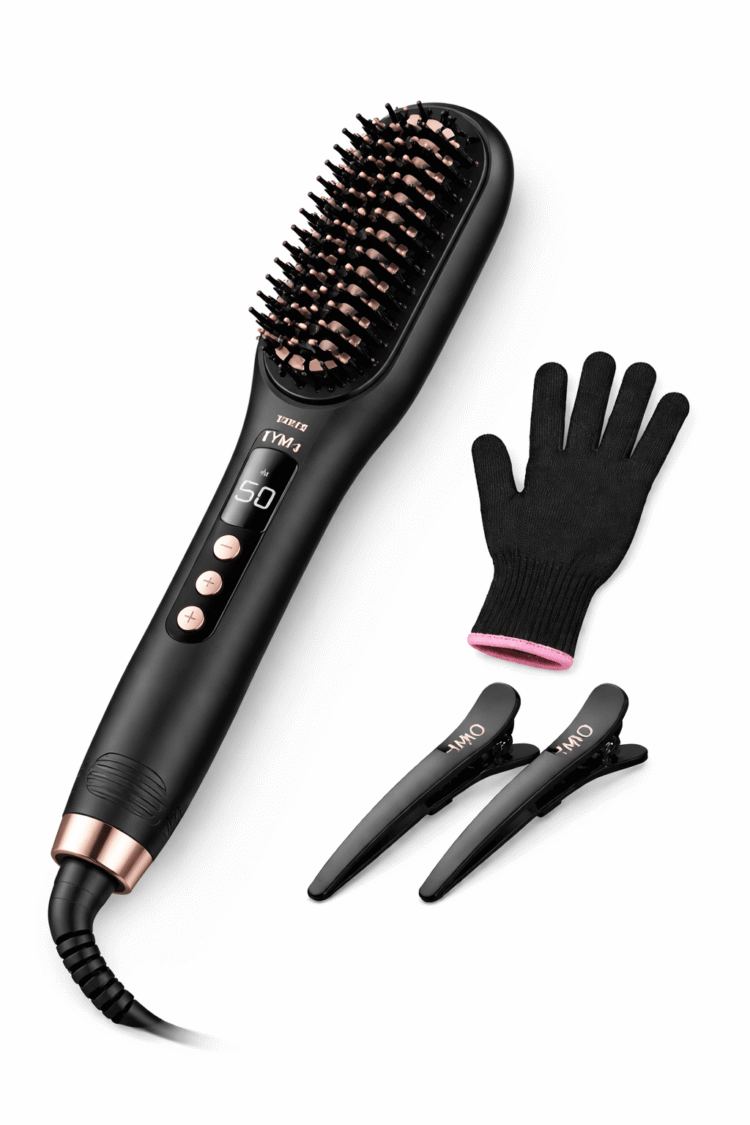
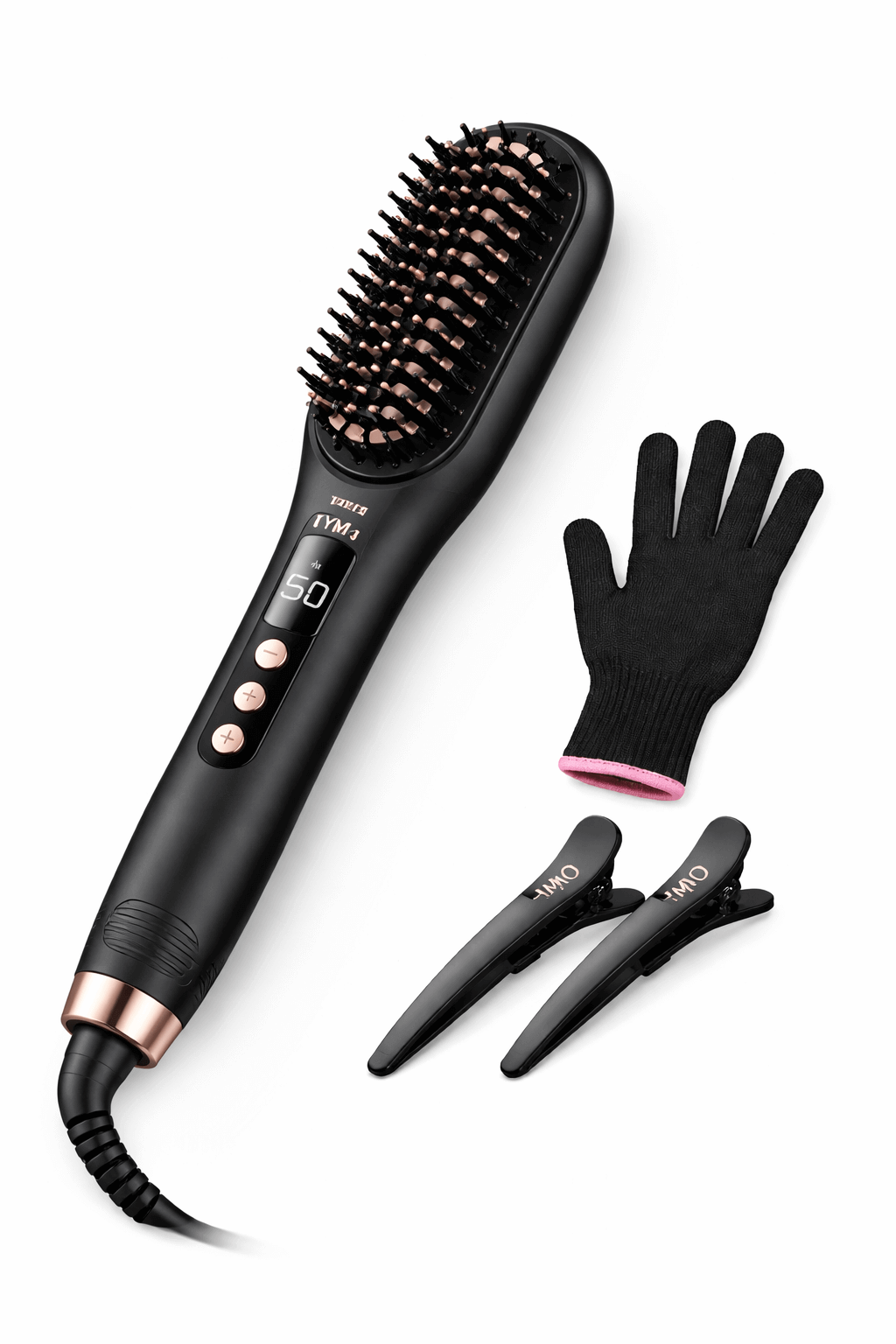
A thermal hair straightener (or blow dryer comb) is a heated styling tool that detangles and smooths hair simultaneously. Gliding the comb slowly and steadily from the roots to the ends flattens the cuticles and drastically reduces frizz. Some models use ionic technology to neutralize static electricity, while others offer adjustable temperature controls to suit various hair types.
According to guidelines from the American Academy of Dermatology , , moderate use of heat styling tools combined with a proper heat protectant helps minimize hair damage. For more advice, click here for general safe styling tips.
Choosing the Right Tool for Your Hair Type
Fine or thin hair requires lower temperatures so it doesn't lose its natural shine quickly. Thick or coarse hair, on the other hand, may need higher heat settings and durable bristles to help detangle while styling. For curly hair, it is best to choose a brush with wider teeth and a large heating surface to reduce the number of passes needed.
If you have textured hair, you can check out our Curly Hair Care & Frizz Reduction Guide .
Temperature Control and Proper Usage
The golden rule is to always start at the lowest possible temperature and gradually increase it only if necessary. Using unnecessarily high heat leads to long-term hair damage. Sectioning your hair into smaller pieces and passing the brush through slowly will help you achieve better results in less time, with significantly less damage.
Damage-Reduction Styling Tips (Click to Expand)
- Only use the tool on completely dry or mostly dry hair.
- Never skip applying a heat protectant spray before styling.
- Section your hair into small, manageable pieces.
- Glide the brush down slowly and steadily.
- Lower the heat setting when reaching the delicate ends.
- Clean your styling tool regularly.
Post-Styling Hair Care
Once you finish styling, it is highly recommended to apply a lightweight hair serum or oil focused solely on the ends. Regular hydration with a weekly deep-conditioning mask will help replenish any lost moisture. Additionally, sleeping on a silk pillowcase and tying your hair up loosely will reduce friction and prevent breakage overnight.
For more practical tips, read: Discover our easy ways to moisturize dry hair .
Ultimately, selecting the right tool and using the correct styling methods are the two most important factors in achieving smooth, healthy hair without damage. This guide provides you with enough knowledge before you begin exploring specific products, helping you make informed decisions for a flawless look.